

Post offices through time
CURSUS PUBLICUS
The origins of the postal service within the Slovene territory reach back to Roman era. When the Roman Empire started to expand, a courier service was introduced – around 300 B.C – that delivered messages between the Senate and the provincial administration on a regular basis.
An efficient postal service required a well-maintained and regulated road network with a series of postal stations at a distance of one day travel, providing lodging, horses, and personnel necessary for the transportation of letters, money, and parcels.
POST IN THE 16TH CENTURY – FIRST REGULAR POSTAL CONNECTIONS IN SLOVENE TERRITORY
The inauguration of Maximilian to the throne of the German Empire in 1493 brought significant changes in the development of a regular postal service.
Maximilian entrusted the postal organisation within the German Empire to the Taxis family, which had to provide regular and timely postal connections between the Emperor’s residence and the Empire’s administrative centres. In 1500 they established postal connection from Innsbruck, through Lienz to Gorizia, whilst Ljubljana’s Provincial Prince Deputy arranged an extension to Ljubljana. Archduke Charles established the very first public postal service in the territory of Slovenia in 1573. He appointed Janez Krstnik Paar as the new Royal Post Administrator, who organised a regular postal connection between Graz and Ljubljana. Further to the connection, Paar organised the establishment of postal stations, the employment of professional postmen, as well as a regular horse connection between Gorizia and Venice. All postal stations provided the possibility of hiring horses, together with the escort of a postilion, or even the rental of a travelling coach. Slovenian natural historian and polymath Janez Vajkard Valvasor wrote that the main post station in Carniola was in Ljubljana, where regular mail from Vienna arrived every Thursday and left for Venice the same day.
POSTAL REFORM IN THE 19TH CENTURY
A number of requests for the postal reform in the mid-century primarily had to do with the introduction of a prepaid postage in a form of a postage stamp.
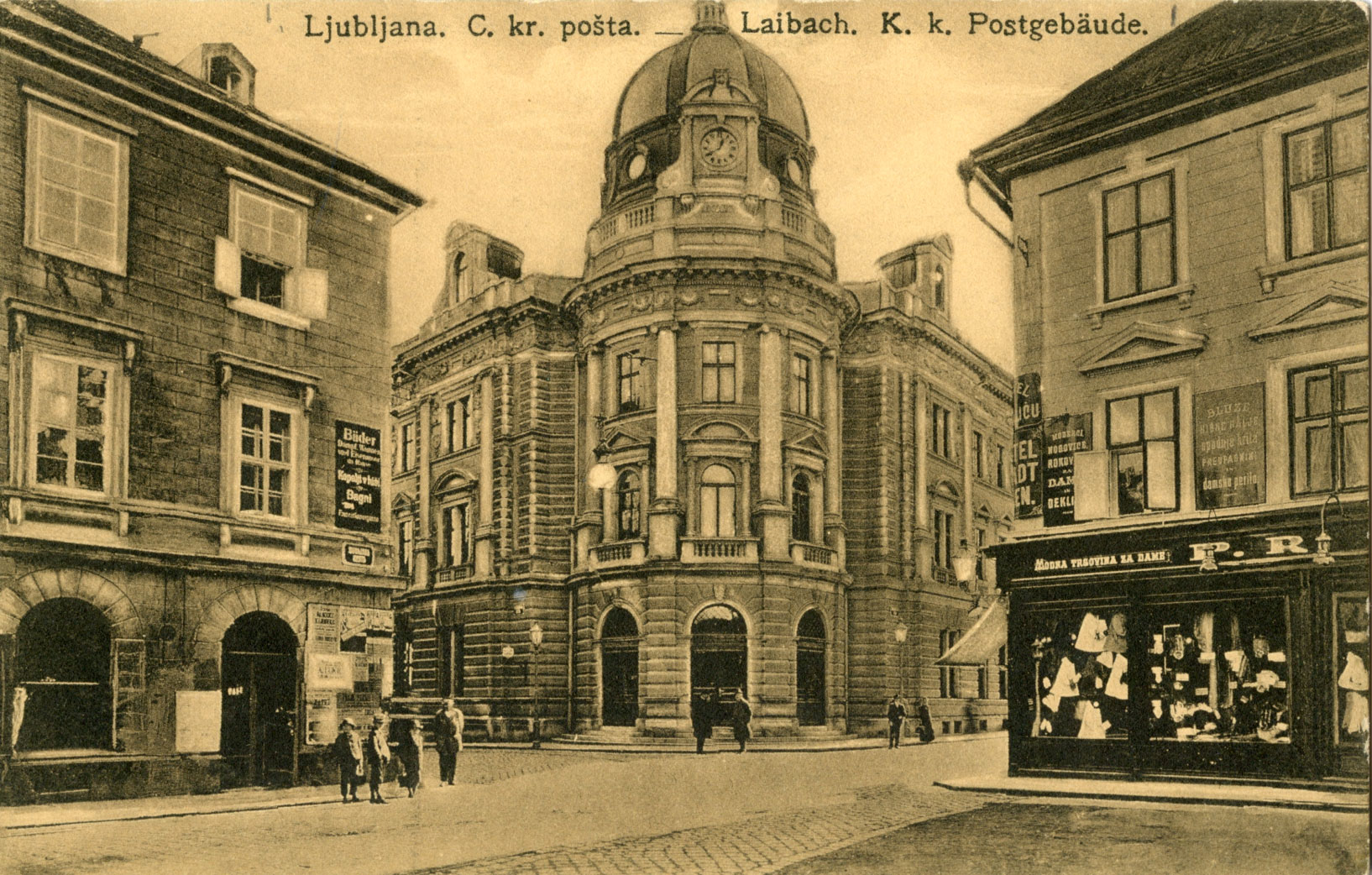
Developments in transport, industry and trade resulted in a full swing towards postal activity. The Post introduced several new services. The number of post offices significantly increased. Post offices were divided into fiscal (employees were public officials) and non-fiscal which the State leased out. The lowest-ranked postal units were Collection Stations, which in remote locations collected, dispatched and delivered mail. This service entrusted to reputable local inhabitants, was a position of honour and unpaid. Due to the huge growth in postal traffic and bad working conditions, profits soared, and magnificent post palaces were constructed in Maribor, Ljubljana and Celje between 1894 and 1898.
POST IN THE 20TH CENTURY
Upon the dissolution of the Austrian-Hungarian Empire, the Slovene territory was under the authority of various postal directorates that made it difficult to create a uniform Slovene postal administration. In 1918 the Postal and Telegraph Directorate for the entire Slovene territory was established in Ljubljana. Post offices were state-owned and contracted. They were divided into several classes according to the importance of the place and the volume of traffic.
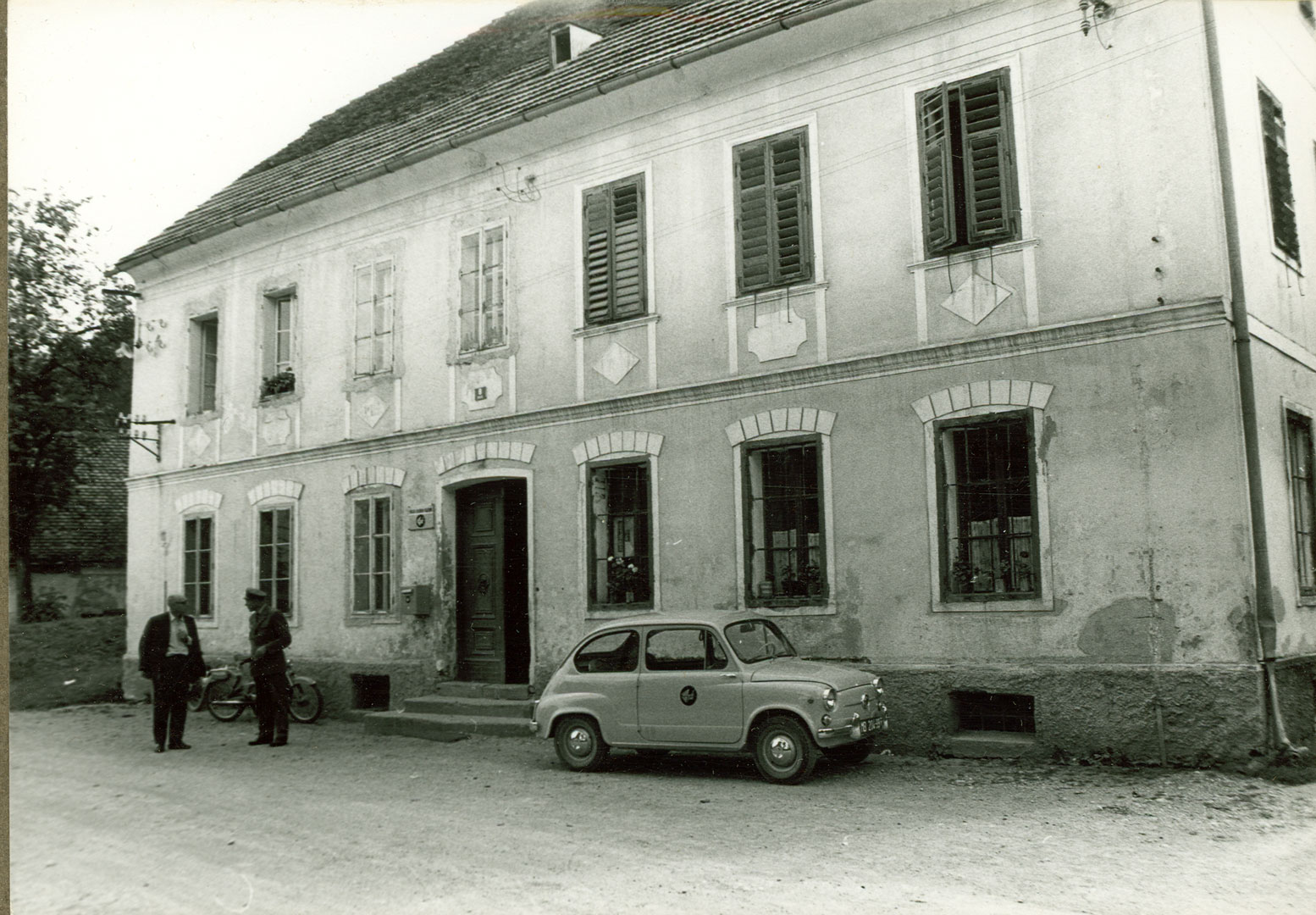
During the Second World War and upon the withdrawal of occupation forces, the majority of the postal infrastructure in Slovenia was destroyed, and many post offices were not functioning. After the war, post offices were in such a poor condition that in places the furniture was still the private property of the staff. The staff often remodelled their official clothes into private ones – in particular winter coats – and even sold them. The mail was delivered on Sundays in a churchyard, or even left at the first house in the village for informal distribution. In the following decades, the offices were renovated or moved to better furnished locations.
The postal organisation in the 1970s was based on seven collection centres, which collected and directed the mail in the particular region. The main postal centre for Slovenia was located in Ljubljana.
After the declaration of independence on the 25th June 1991 and the beginning of the war, the post managed at first to operate smoothly. If roadblocks were encountered, the mail was transported on side roads, and it was not delivered to army barracks. International traffic was undisturbed, although the railway line to Belgrade was closed. PTT Slovenije (Postal, Telegraph, and Telephone service) became a member of the Universal Postal Union in 1992. In 1995 it was divided into Pošta Slovenije (postal services) and Telekom Slovenije (telecommunications).
THE POSTAL STATIONS IN PORTUGAL
The evolution of postal stations in Portugal is a significant part of the history of communications, reflecting the country’s technological, social, and political changes.
During the reign of King João V, the postal service began to expand with the establishment of fixed stations and the definition of routes to improve communication between major cities, Lisbon and Porto. However, the number of service locations was still very limited.
In 1753, King José I founded the Correios Gerais do Reino (General Post of the Kingdom), which established fixed points and organized postal services more effectively. This led to the emergence of the first postal stations in various cities, serving as exchange and distribution hubs.
Decades later, the growth of commerce and the need for more efficient communication demanded reforms to the postal system. These changes also spurred the establishment of more postal stations in cities and towns, marking the beginning of postal modernization.
The origins of door-to-door letter delivery trace back to the first postal regulation published in 1801, though it only became a reality in 1821. Until then, individuals had to travel to the General Post Office to collect their letters, which were transported via the Mala-Posta (postal carriage).
With the Revolution of 1910, the postal service became an essential state infrastructure. The network of postal stations was expanded to reach the most remote regions of the country, and many iconic buildings were constructed to house the stations.
In 1930, the significant development of telegraph and telephone networks required larger spaces to protect and maintain the equipment and facilitate operations. At the time, postal stations were small and insufficient to meet these needs. Larger buildings were urgently needed to keep pace with progress and modernization. In response, postal station buildings were rapidly constructed, albeit without a prior construction plan.
The lack of organization and rigor in construction led to a bottleneck in the development of communications at the time. This situation persisted until the establishment of the Plano Geral de Edificações (General Construction Plan, PGE).
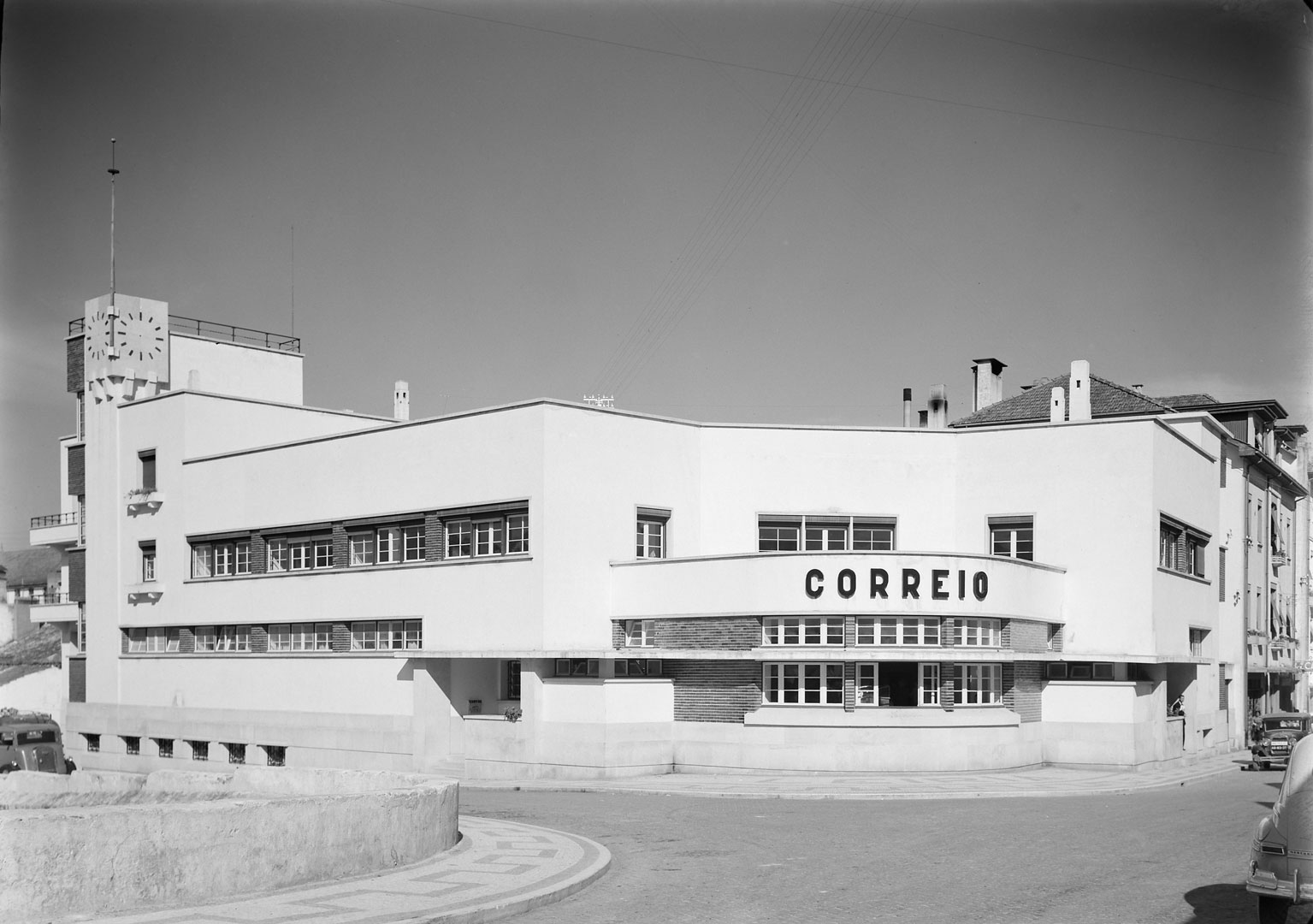
Between 1937 and 1941, under the guidance of the PGE of the General Postal Administration (led by Couto dos Santos), postal stations were built in many Portuguese cities. This time, the new buildings and equipment followed designs by architects exploring modernist language.
Functional, ergonomic, economical, secure, and rational principles of construction and adaptability for future needs were applied. The goal was to create an image of functionality, efficiency, precision, and organization in the services.
From 1940 onward, modern elements began to disappear from CTT buildings, replaced by features of historicist or popular architecture. The predominant characteristics reflected expressions of power, history, tradition, and nationalist celebration.
Later, CTT buildings were increasingly replaced by rented facilities, abandoning the general plan.
The 1990s brought a new philosophy regarding the image of postal stations. To unify and promote a consistent brand identity, flat glass facades with transparent displays showcasing products were adopted, symbolizing movement, change, and strength. This new image was implemented alongside the progressive digitalization of the station interiors.
 |
 |
|---|---|
| Post office in Libeliče 1968. Source TMS | Post palace in Ljubljana was built in 1896 |
 |
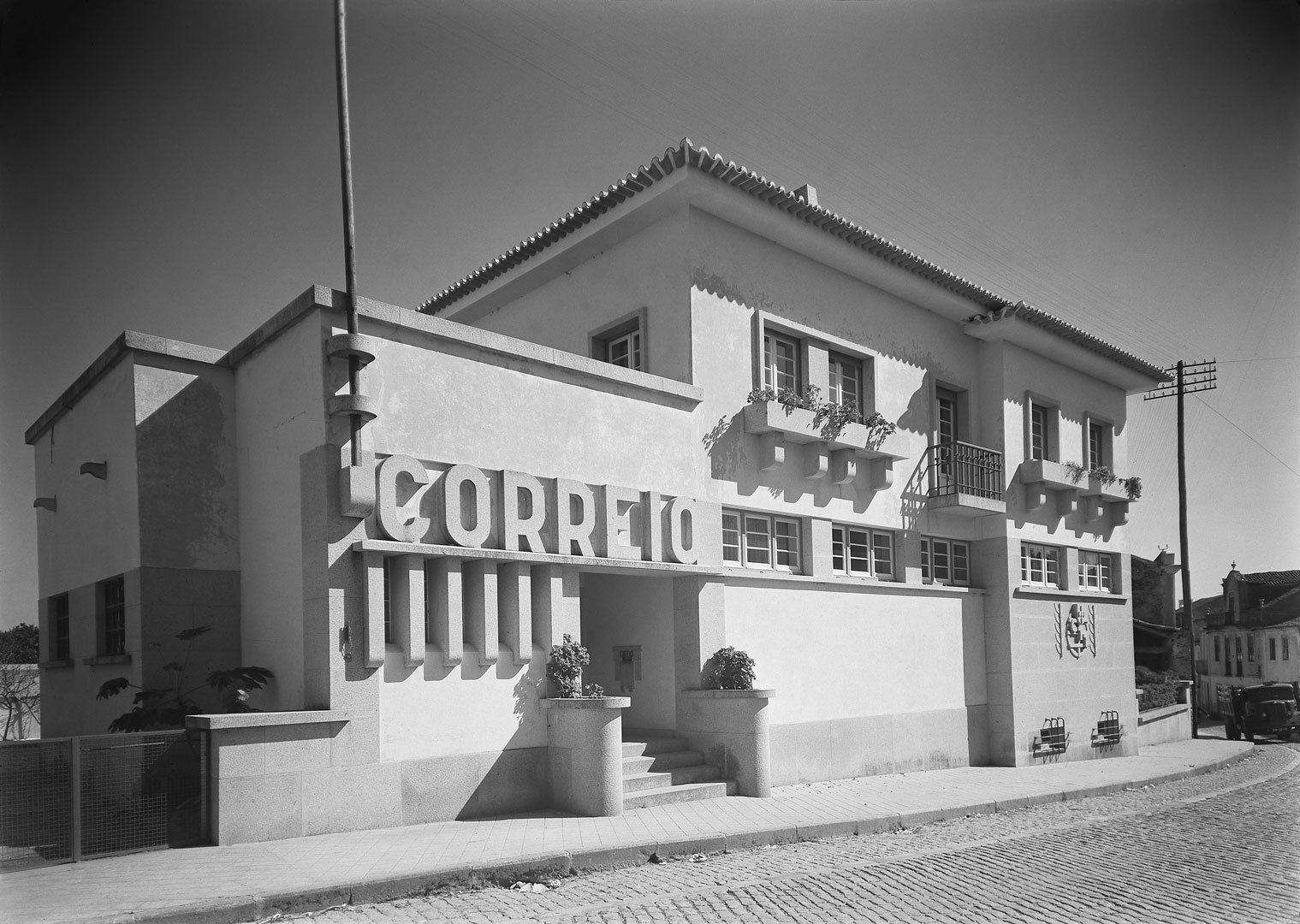 |
| Source: Fundação Portuguesa das Comunicações | Source: Fundação Portuguesa das Comunicações |


